


Page 7 - ตัวอย่าง Science Solution 1
P. 7
2. Break the egg into the petri dish. Observe the interior characteristics of the egg. Draw and record as many
          observations as possible in your notebook using the 5 senses, which are eyes, ears, nose, mouth (tongue)
          and skins.


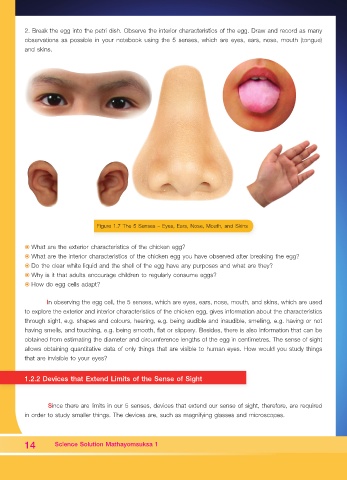
                                  Figure 1.7 The 5 Senses – Eyes, Ears, Nose, Mouth, and Skins


            What are the exterior characteristics of the chicken egg?
            What are the interior characteristics of the chicken egg you have observed after breaking the egg?
            Do the clear white liquid and the shell of the egg have any purposes and what are they?
            Why is it that adults encourage children to regularly consume eggs?
            How do egg cells adapt?

                 In observing the egg cell, the 5 senses, which are eyes, ears, nose, mouth, and skins, which are used
          to explore the exterior and interior characteristics of the chicken egg, gives information about the characteristics
          through sight, e.g. shapes and colours, hearing, e.g. being audible and inaudible, smelling, e.g. having or not
          having smells, and touching, e.g. being smooth, flat or slippery. Besides, there is also information that can be
          obtained from estimating the diameter and circumference lengths of the egg in centimetres. The sense of sight
          allows obtaining quantitative data of only things that are visible to human eyes. How would you study things
          that are invisible to your eyes?


          1.2.2 Devices that Extend Limits of the Sense of Sight


                 Since there are limits in our 5 senses, devices that extend our sense of sight, therefore, are required
          in order to study smaller things. The devices are, such as magnifying glasses and microscopes.


          14        Science Solution Mathayomsuksa 1

